This list contains affiliate links. If you buy through them, Montessori Theory may earn a small commission at no extra cost to you. One book on the list is our own, and we say so clearly.
The best books on Montessori education depend on what you need. For parents starting at home, The Montessori Toddler and The Montessori Baby by Simone Davies are the easiest place to begin. For the research, read Angeline Lillard’s Montessori: The Science Behind the Genius. For the source, read Maria Montessori’s The Absorbent Mind.
Below are 18 books, grouped by goal, with who each one is for and what to keep in mind. New to the method? Start with what Montessori is, in plain English.
Quick picks
- Best first book for parents. The Montessori Toddler, Simone Davies.
- Best for babies. The Montessori Baby, Simone Davies and Junnifa Uzodike.
- Best on the research. Montessori, The Science Behind the Genius, Angeline Lillard.
- Best by Montessori herself. The Absorbent Mind.
- Best free read. The Montessori Method, on Project Gutenberg.
How We Chose These Books
We looked for books that are accurate to Montessori principles, written or reviewed by trained Montessori educators or researchers, still in print or easy to find, and genuinely useful to parents or teachers. We left out books that are mostly product lists or that present Montessori as an aesthetic. Each card says who the book is for and its main limit.
Practical Montessori Books for Parents
Start here if you want to use Montessori at home. These books turn the method into daily routines, room setups and words to use.
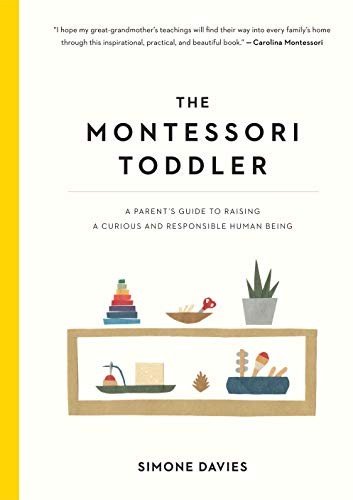
The Montessori Toddler
Best for parents of 1 to 3 year olds who want to start this week
The most popular Montessori parenting book of the last decade, and for good reason. Simone Davies, an AMI-trained teacher, turns the method into short chapters, checklists and illustrations you can use between naps.
- Activities by area, from practical life to language
- Clear, kind language for tantrums, hitting and “no”
- Room-by-room ideas that work in small homes
Keep in mind. It is written for toddlers. For babies, read its companion below.
The Montessori Baby
Best for expecting parents and the first year
The baby version of The Montessori Toddler, co-written with AMI trainer Junnifa Uzodike. It covers the first year month by month, from the topponcino and the movement area to feeding and sleep.
- Gentle, practical and well illustrated
- Strong on observation and free movement
- Realistic about what babies need, and what they don’t
Keep in mind. Check its sleep suggestions against the current AAP safe sleep rules, as with any baby book.
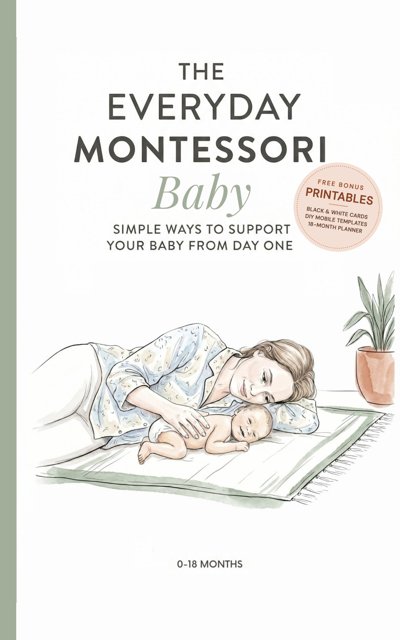
The Everyday Montessori Baby
Best for busy parents who want short, realistic steps from birth to 18 months
This one is ours, written by the Montessori Theory team. It is shorter than the books above and built around real homes. One idea per page, what to set up, what to say and what to skip buying, with safe sleep following the AAP.
- Birth to 18 months in plain English
- Free printables for the book at our baby printables page
- Chapter 1 is free to read online
Keep in mind. We wrote it, so we are not neutral. Read the free chapter first and judge for yourself.

Montessori From the Start
Best for parents who want the deeper “why” for birth to 3
A mother and daughter, both Montessori educators, explain how to support a child from birth to three at home. More detailed and more traditional than the Davies books, with the reasoning behind each choice.
- Thorough on infancy, independence and the home environment
- Grounded in AMI practice
- Useful for grandparents and caregivers too
Keep in mind. Some advice is strict for modern families, and older sleep advice should be read alongside current AAP guidance.
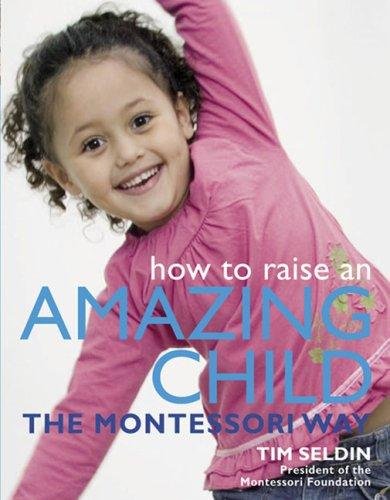
How to Raise an Amazing Child the Montessori Way
Best for visual learners and parents of children from birth to 6
Tim Seldin, president of The Montessori Foundation, covers the first six years with lots of photos and simple activities. It is the easiest of these books to flip through on a busy evening.
- Photo-heavy, easy to scan
- Covers birth to 6 in one book
- Good room setup and practical life ideas
Keep in mind. Broad rather than deep. Pair it with one of the more detailed books.
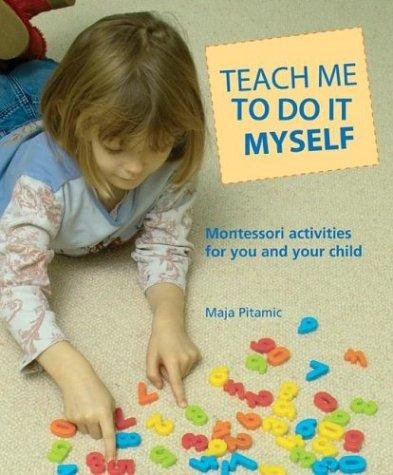
Teach Me to Do It Myself
Best for parents of 2½ to 5 year olds who want ready-made activities
An activity book more than a philosophy book. Each page shows a Montessori activity with what you need, how to present it and what your child learns, from pouring to early letters.
- Step-by-step activities with photos
- Uses everyday materials
- Great for rainy days and grandparents
Keep in mind. Light on theory. Read it for ideas, not for the method itself.
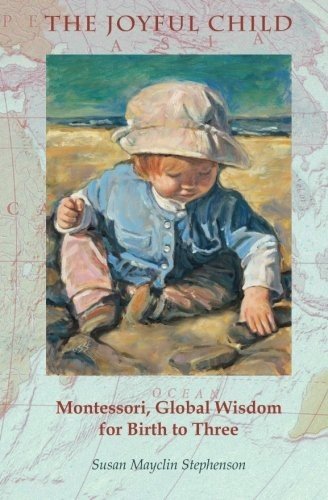
The Joyful Child
Best for parents who want a warm, global view of birth to 3
An experienced AMI teacher shares Montessori principles for the first three years with photos from families around the world. Calm, encouraging and practical.
- Covers daily life, not just activities
- Beautiful photos from many cultures
- Strong on respect and independence
Keep in mind. Less structured than Davies. Better for reading than for quick reference.
Basic Montessori
Best for homeschoolers and parents who want the classroom activities at home
Subtitled Learning Activities for Under-Fives, it walks through the classic Montessori presentations, from practical life and sensorial work to language and math, with how to make or adapt the materials.
- Covers the full 3 to 6 sequence
- Clear step-by-step presentations
- Useful for DIY materials
Keep in mind. Classroom-focused and dated in design. A reference, not a bedtime read.
Books on Montessori Education and Why It Works
Read these to understand the education behind the home tips, to choose a school, or to answer a skeptical relative.
Understanding the Human Being
Best for parents and educators who want the science of the first three years
Written by a doctor who trained AMI assistants to infancy, it explains development from pregnancy to age three, including attachment, movement and language, from a Montessori point of view.
- The reference for Montessori infancy training
- Medical and developmental depth
- Explains the reasons behind infant practices
Keep in mind. Technical and sometimes hard to find. Borrow before you buy.
Montessori: The Science Behind the Genius
Best for skeptical parents, teachers and anyone who wants the research
A University of Virginia psychologist checks the core ideas of Montessori against research in psychology and education, from movement and learning to choice, interest and executive function. The best book if you want evidence rather than enthusiasm.
- Research-based and balanced
- Explains why the method works, not just how
- Updated third edition
Keep in mind. Academic in places. Read the chapters that interest you rather than cover to cover.
Montessori Today
Best for parents choosing a school, especially for the elementary years
A clear explanation of how Montessori education works from early childhood through adolescence, with a strong section on the elementary classroom and Cosmic Education.
- Covers the whole school journey
- Great before a school tour
- Explains the planes of development simply
Keep in mind. Focused on schools rather than home life.
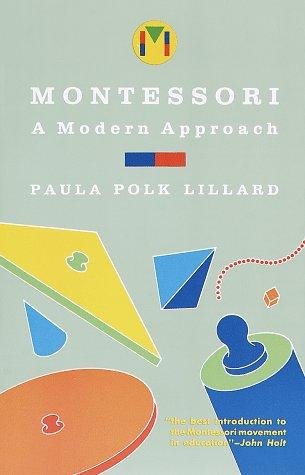
Montessori: A Modern Approach
Best for a short, classic introduction to Montessori education
For decades the standard first book for parents curious about Montessori schools. It explains Montessori’s ideas and how they look in a classroom, in under 200 pages.
- Short and readable
- Good bridge to Montessori’s own books
- Explains the classroom areas
Keep in mind. Dated in places. Treat it as an introduction, not a current guide.

Montessori Madness!
Best for a skeptical partner who needs to be convinced
A father’s energetic argument for Montessori education, written for parents who know nothing about it. Fast, funny and persuasive.
- Quick read
- Makes the case against traditional schooling
- Good to share with family
Keep in mind. Openly one-sided. Balance it with a research-based book.
Books by Maria Montessori Herself
Her books are denser than modern guides, but they are where the ideas come from. Several are in the public domain, so you can read them free before buying.

The Absorbent Mind
Best for understanding how children learn from birth to 6
Montessori’s most influential book, based on lectures given in India in the 1940s. It explains the absorbent mind, sensitive periods and the child’s self-construction.
- The source of many ideas parents hear about
- Essential for teachers in training
- Also available as an audiobook
Keep in mind. Dense and philosophical. Read it after a practical book.
The Secret of Childhood
Best for parents who want Montessori’s view of the child in her own words
Montessori describes her observations of young children, the “spiritual embryo,” repetition, order and the adult’s role. More personal and readable than The Absorbent Mind.
- Her famous classroom observations
- Strong on the adult’s role
- A good first book by Montessori herself
Keep in mind. Written almost a century ago. Some language and ideas are of their time.
The Montessori Method
Best for history lovers and teachers
The book that introduced the method to the world, describing the first Children’s Houses in Rome and the materials Montessori designed. It is in the public domain and free to read online.
- Where it all started
- Free on Project Gutenberg
- Detailed descriptions of the original materials
Keep in mind. Historical. Many details were revised in her later books.
The Discovery of the Child
Best for teachers and parents interested in the materials
Montessori’s revised version of The Montessori Method, with updated descriptions of the sensorial, language and math materials.
- The materials explained by their designer
- Covers writing and reading
- Useful companion for homeschoolers
Keep in mind. Technical. Best for readers already familiar with the basics.
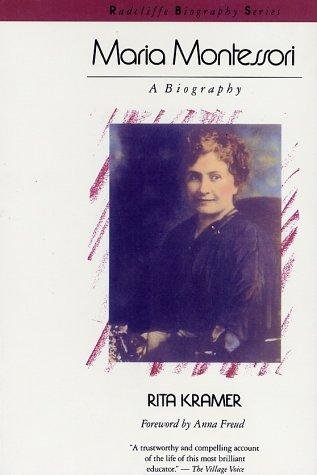
Maria Montessori: A Biography
Best for anyone curious about the woman behind the method
The classic biography, following Montessori from her medical studies in Rome to her work around the world. Balanced, detailed and well researched.
- The full story of her life and work
- Context for her books
- Honest about controversies
Keep in mind. Long and detailed. Our shorter Maria Montessori biography covers the essentials.
Which Montessori Book Should You Read First?
| Your situation | Start with | Then read |
|---|---|---|
| Expecting or a baby under 1 | The Montessori Baby | Montessori from the Start |
| Toddler at home | The Montessori Toddler | The Joyful Child |
| Preschooler, 3 to 6 | How to Raise an Amazing Child the Montessori Way | Teach Me to Do It Myself |
| Choosing a Montessori school | Montessori Today | Montessori, The Science Behind the Genius |
| Skeptical partner or relative | Montessori Madness! | Montessori, The Science Behind the Genius |
| Teacher or homeschooler | The Absorbent Mind | The Discovery of the Child |
On a budget? Libraries often carry the Davies and Lillard books, and Montessori’s early books are free online. One good book read slowly beats five skimmed. Pick the one that matches your child’s age now.
Questions Parents Ask
What Is the Best Book on Montessori Education?
For parents, The Montessori Toddler by Simone Davies is the most practical starting point. For the research behind the method, Montessori, The Science Behind the Genius by Angeline Lillard is the standard.
Which Montessori Book Should Parents Read First?
Choose by age. The Montessori Baby for the first year, The Montessori Toddler for 1 to 3, and a broader book like How to Raise an Amazing Child the Montessori Way for 3 to 6.
What Books Did Maria Montessori Write?
Her best-known books are The Montessori Method, The Secret of Childhood, The Discovery of the Child and The Absorbent Mind, along with The Advanced Montessori Method and Education and Peace.
Can I Read Maria Montessori’s Books for Free?
Yes, some. The Montessori Method and The Advanced Montessori Method are on Project Gutenberg, and several other titles can be borrowed from libraries and the Internet Archive.
Do I Need to Read a Book to Do Montessori at Home?
No, but one good book helps you avoid buying the wrong things and gives you words for hard moments. Our free guides are a good start too.
Go Deeper
- What is Montessori? The method in plain English
- Montessori parenting in five habits
- Maria Montessori biography
- Maria Montessori quotes, with sources
Sources
- Open Library, book records and cover images used to identify each title.
- Project Gutenberg, The Montessori Method.
- Lillard, A. S. Montessori: The Science Behind the Genius (3rd ed., 2017).
- American Montessori Society, Montessori at Home.