Montessori for Ages 3 to 6, From Repetition to Real Mastery
This is the age the classroom materials were designed for: math beads, sandpaper letters, and the kind of focused, repeated work that looks nothing like a worksheet. This hub is still short. Preschool content is one of the areas we are actively building out.

The Montessori Kindergarten Experience: Curriculum & Learning Outcomes
When my daughter turned three, everyone kept asking, “What preschool did you choose?” But I’d enrolled her in something called …

Goddard vs Montessori: Which Preschool Truly Fits Your Child’s?
When I started researching preschools for my son, two names kept appearing in my search, The Goddard School and Montessori. On …

10+ Must-Try Montessori Fall Activities For Preescholers
Autumn is a vibrant season filled with colorful leaves, crisp air, and endless opportunities for Montessori-inspired fun. From …
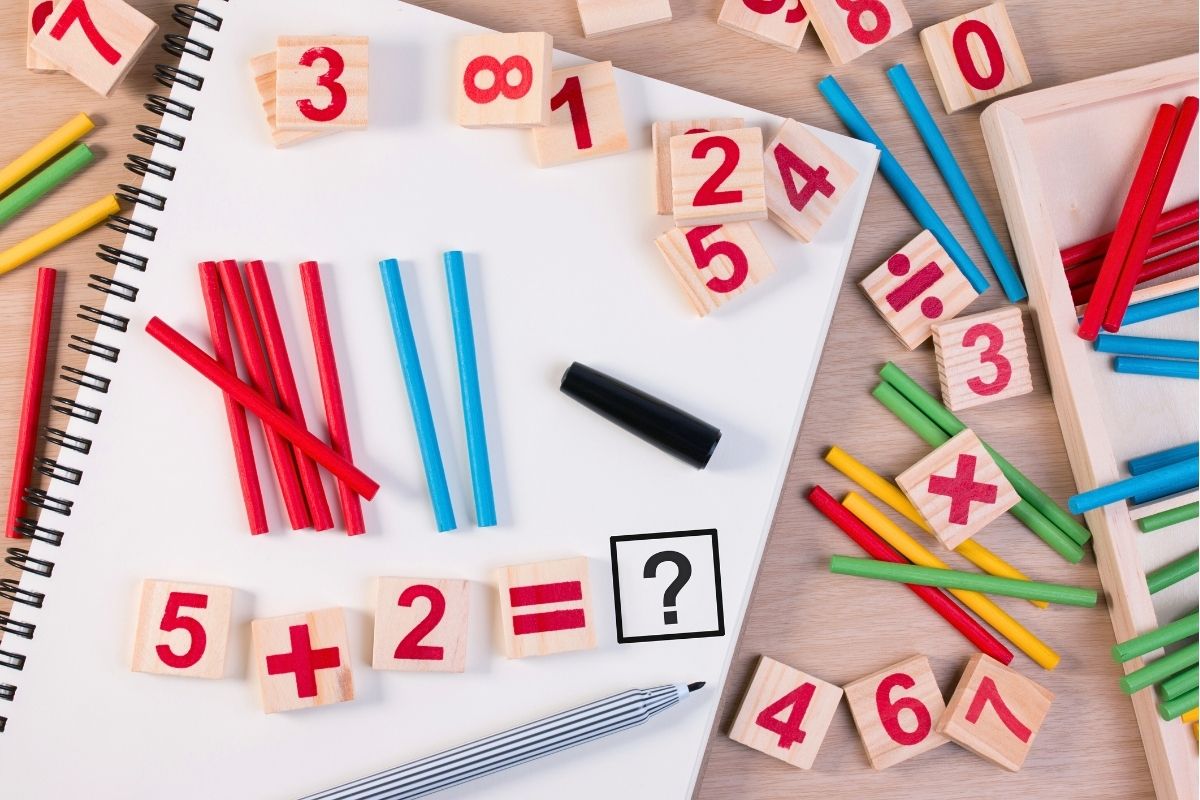
Montessori Skip Counting: Materials, Lessons & Activities
Watch a five-year-old work with a Montessori bead chain. They lay it out on the floor, moving slowly from one coloured section …
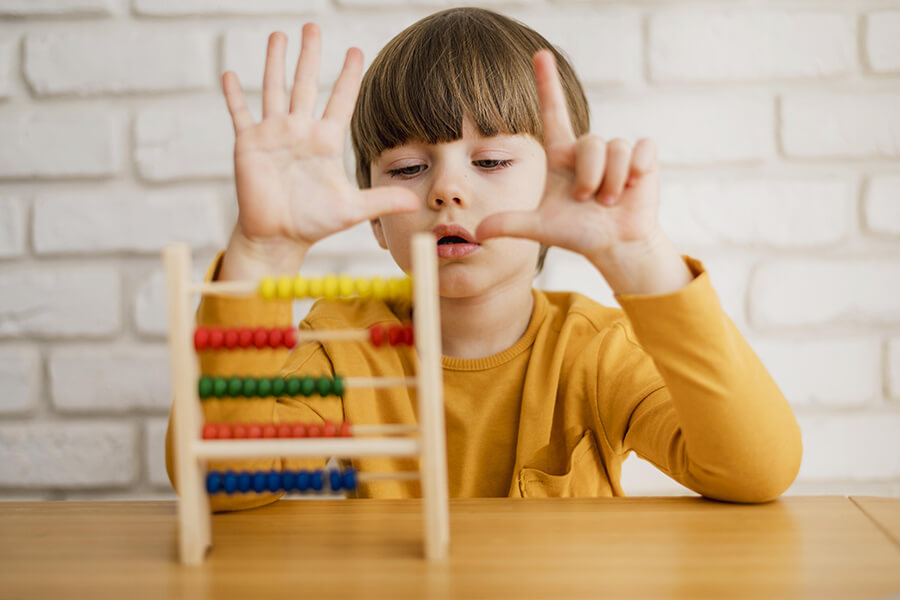
How Montessori Teaches Times Tables (Step by Step Guide)
The Montessori approach to multiplication is not a single activity or a clever game. It is a sequence of materials that builds …
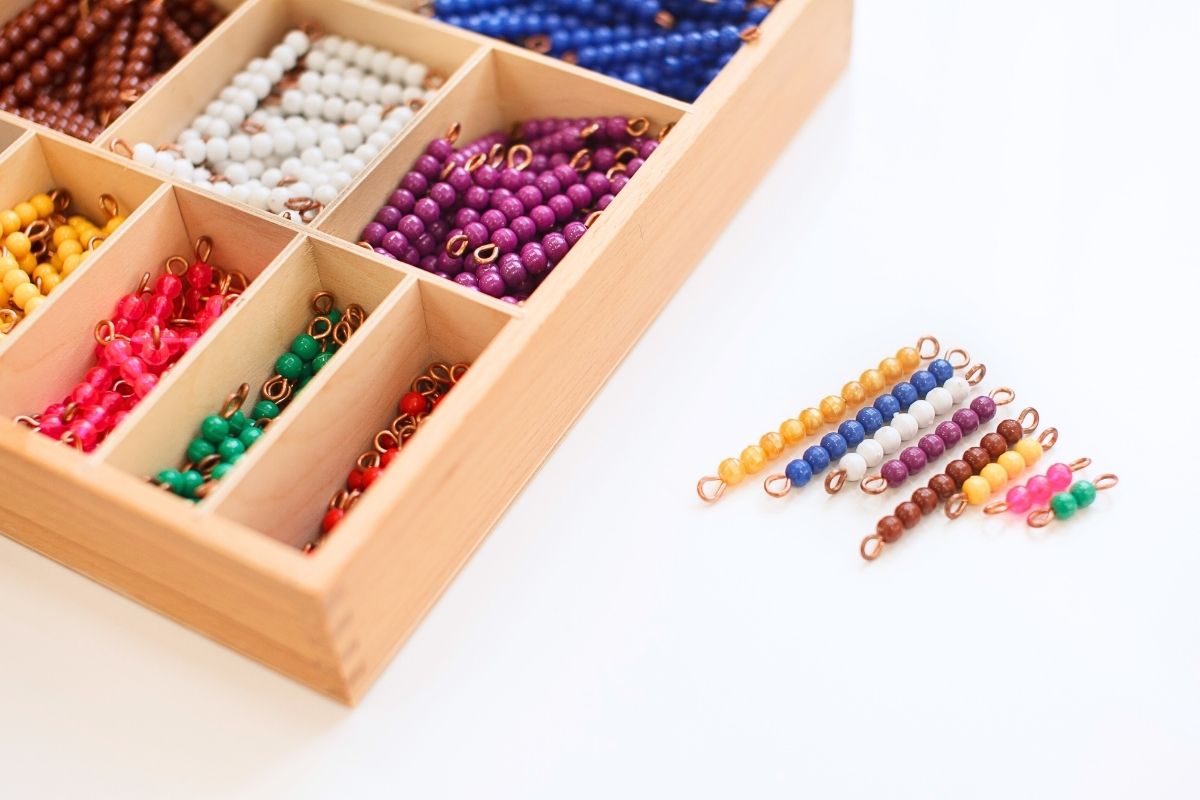
Montessori Math Beads: The Genius Way To Make Math Click!
Math anxiety starts young, sometimes because we accidentally teach kids that numbers are scary or too abstract to understand. M…

Montessori Math Materials: How To Teach Numbers The Right Way
When my daughter first held a golden bead thousand cube, her eyes went wide. “It’s so heavy!” she exclaimed, comparing it to th…
Browse a Different Stage
Montessori for Preschool, 3 to 6
By three, a child with steady practice in practical life work starts reaching for the materials the Montessori classroom is actually built around: sandpaper letters, number rods, and the moving beads that turn abstract math into something with weight and shape. This is also the age where comparing schools becomes a real question, not just a search for shelf ideas.
The materials built for this stage are designed to isolate one skill at a time, and the difference between a real Montessori classroom and one using the name loosely usually shows up in how those materials get presented, not in how the room looks.
What the Materials Actually Build
- Sandpaper letters: the hand learns before the eye does
- Number rods and beads: quantity comes before the symbol
- Practical life trays: concentration matters more than content
- Cultural materials: geography and science through touch first
Choosing a School at This Age
This is usually the first time parents seriously compare schools instead of shelves. A visit tells you more than a brochure. Watch whether children choose their own work, whether the room stays quiet without an adult managing every minute, and whether the materials look used rather than displayed.