
Updated October 2026. IKEA products are mentioned as examples, with no affiliate link. Prices were checked on ikea.com/us in October 2026.
A good reading corner for a young child is small, comfortable and easy to use alone. Books face forward so the covers are visible, there’s somewhere soft to sit, and there are few enough books that your child can choose.
Here are 19 reading nook ideas for toddlers and preschoolers, from a corner of the living room to a tent on the balcony, with what makes each one work and how to set one up in an afternoon.
Quick Answer
- Show 5 to 10 books facing forward at your child’s eye level, and rotate them every week or two.
- Add something soft to sit on, good light and a little privacy. A corner, a tent or a canopy all work.
- Keep the space for books only, away from the busiest part of the room.
- A picture ledge or wall rack costs from about $10 and does the main job.
What Makes a Reading Corner Montessori
- Covers, not spines. Young children choose by the picture. Front-facing books get picked up. Spines on a tall shelf do not.
- A few books, chosen well. Realistic stories and books with real photographs suit young children best. Fewer choices make choosing easier.
- Independence. Your child can reach the books, sit down and put them back without help.
- Calm. Soft light, a quiet corner, nothing flashing or noisy nearby.
- Rotation. A basket in a closet holds the rest. Swap a few books every week or two. See our rotation guide.
19 Montessori Reading Nook Ideas
1. A Front-Facing Wall Shelf and a Floor Cushion
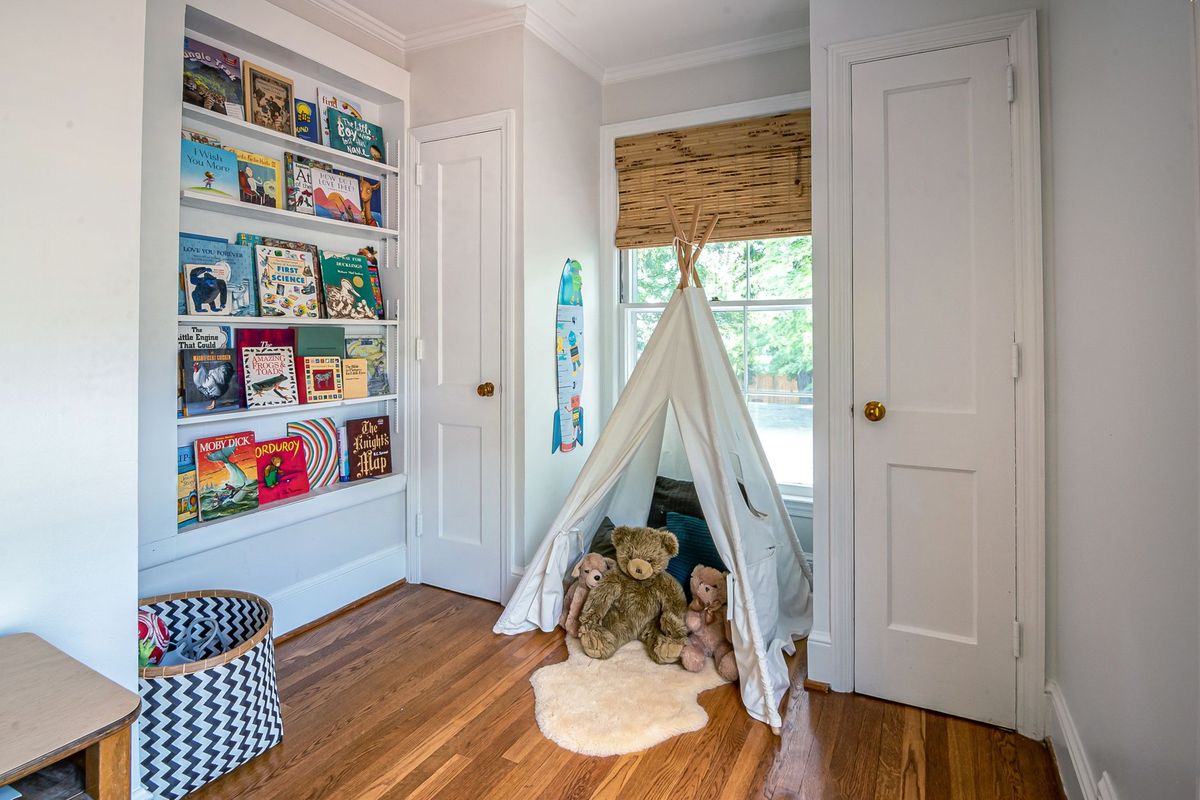
The simplest version, and the one that works in almost any room. Mount a picture ledge at your child’s eye level, add a cushion and a small lamp. The IKEA MOSSLANDA picture ledge ($9.99 for 21¾ inches) holds books with covers out.
2. A Play Tent With a Lantern
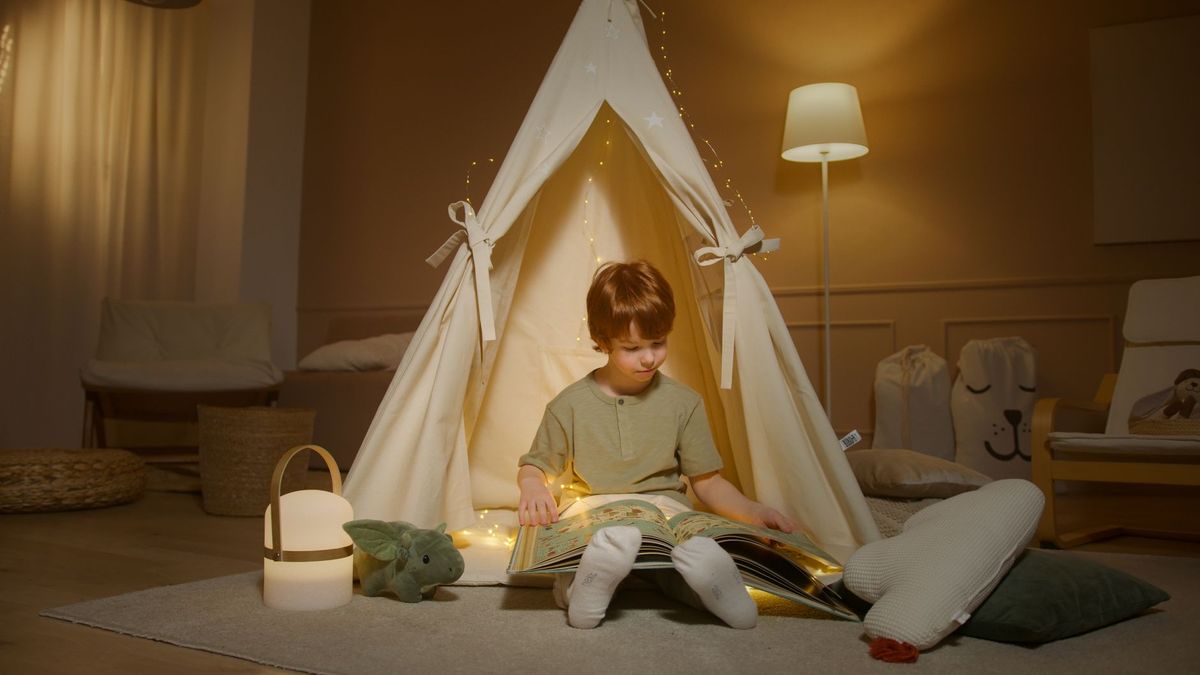
A tent gives a feeling of a small private room, which many children love. Put a firm cushion inside and a battery lantern with a screwed-shut battery compartment. Keep the book basket just outside so the tent stays uncluttered.
3. A Corner of the Sofa
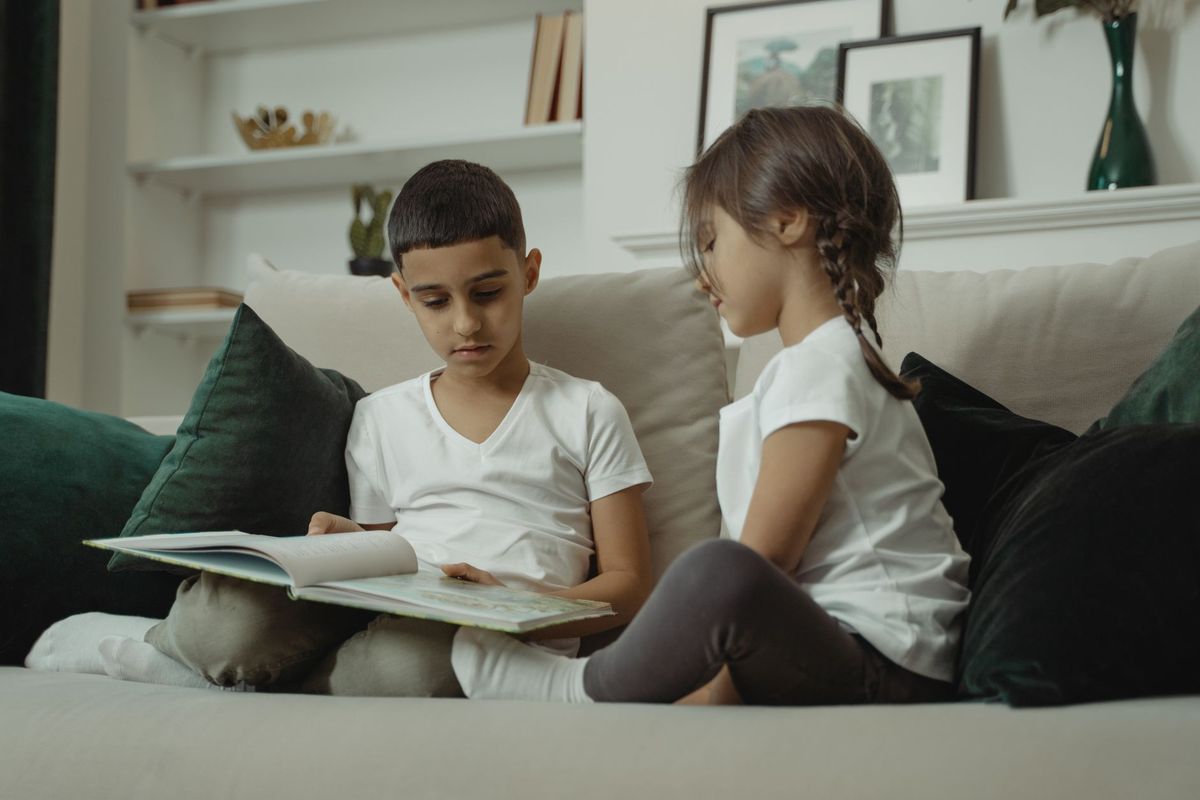
No space for a nook? A basket of books at the end of the sofa makes the sofa the reading spot. Siblings often end up reading together here.
4. Floor Cushions by a Window
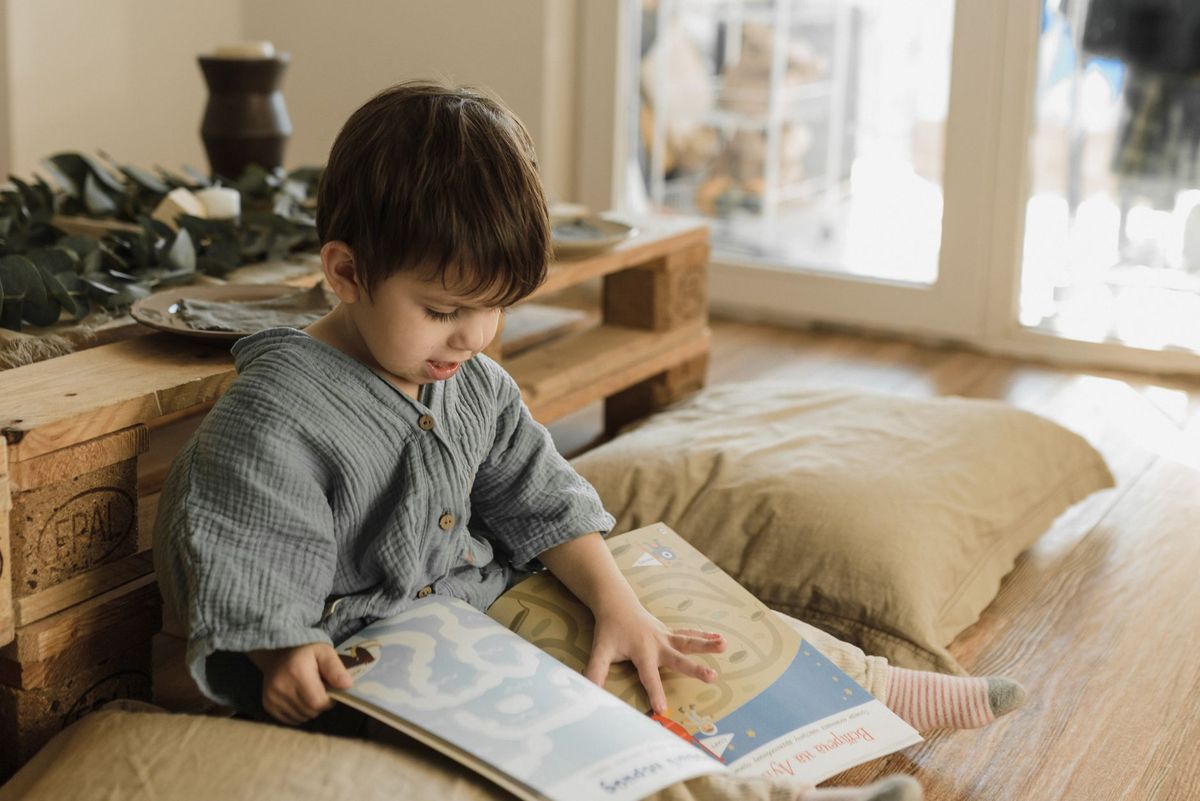
Daylight is the best reading light. Two or three large floor cushions under a window and a low basket of books are enough.
5. A Spot Big Enough for Two
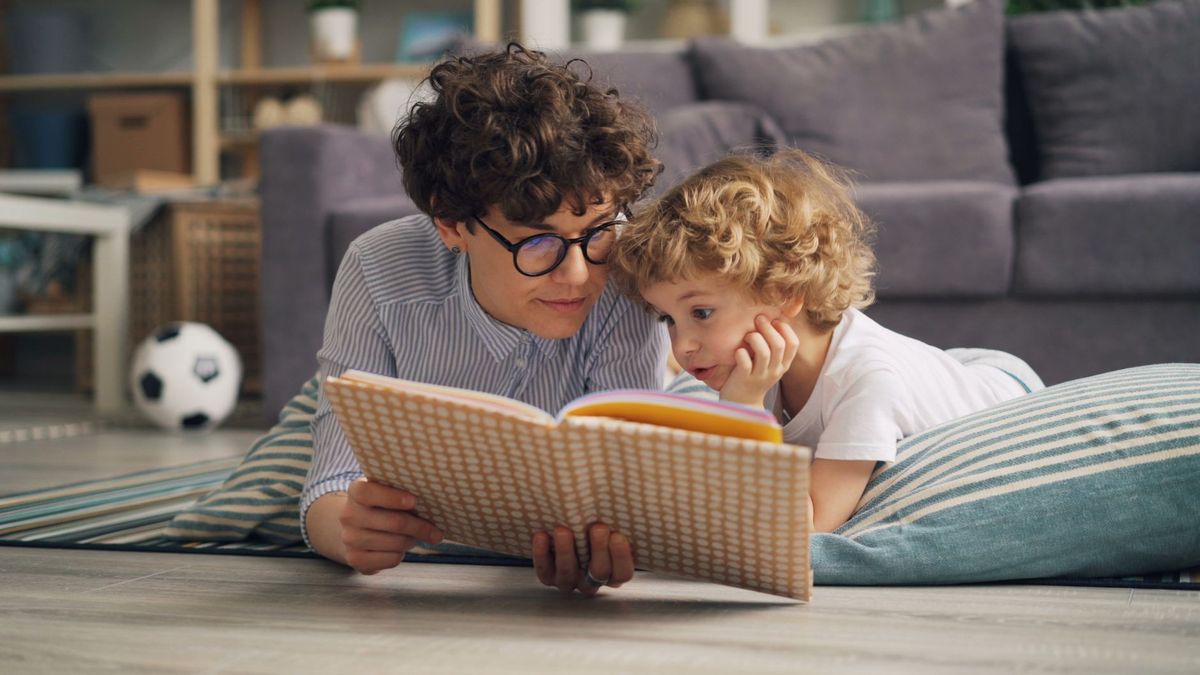
Reading together is the heart of it at this age. Make the nook big enough for an adult to lie down next to your child, with a couple of pillows.
6. Wall Ledges in a Shared Bedroom
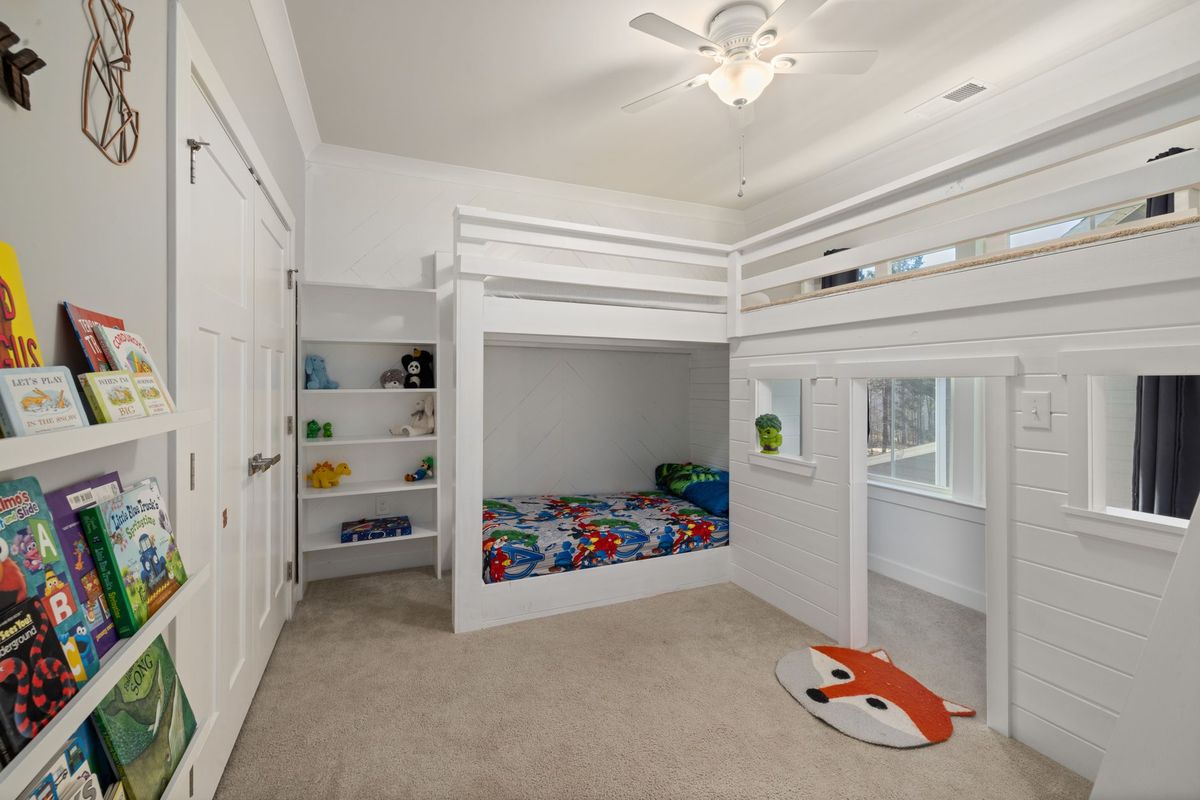
In a shared room, a long wall of front-facing ledges gives each child books at their own height. Put the youngest child’s books on the lowest ledge.
7. A Child-Sized Chair Next to a Low Shelf
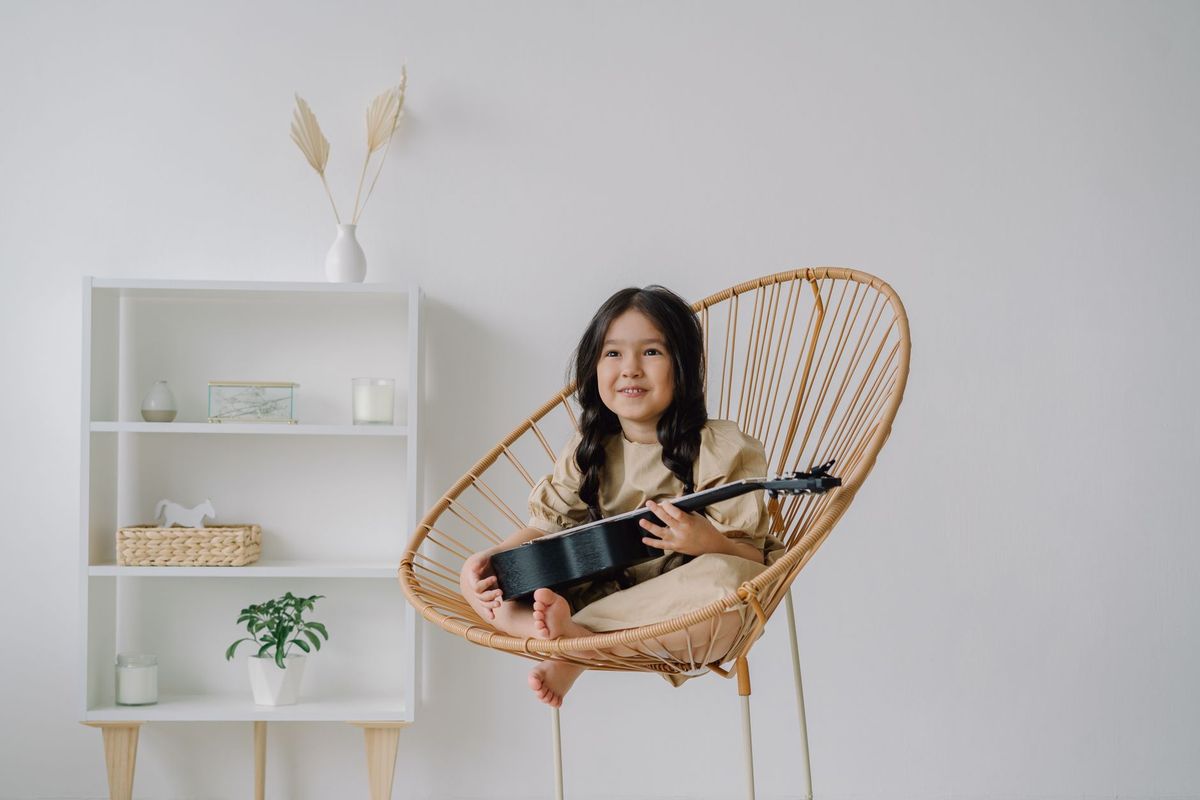
Preschoolers often like to sit “properly” like an adult. A small armchair or a sturdy child’s chair next to a low shelf turns a corner into a reading room. The IKEA MAMMUT children’s chair is $19.99.
8. Books on the Floor, Spread Out
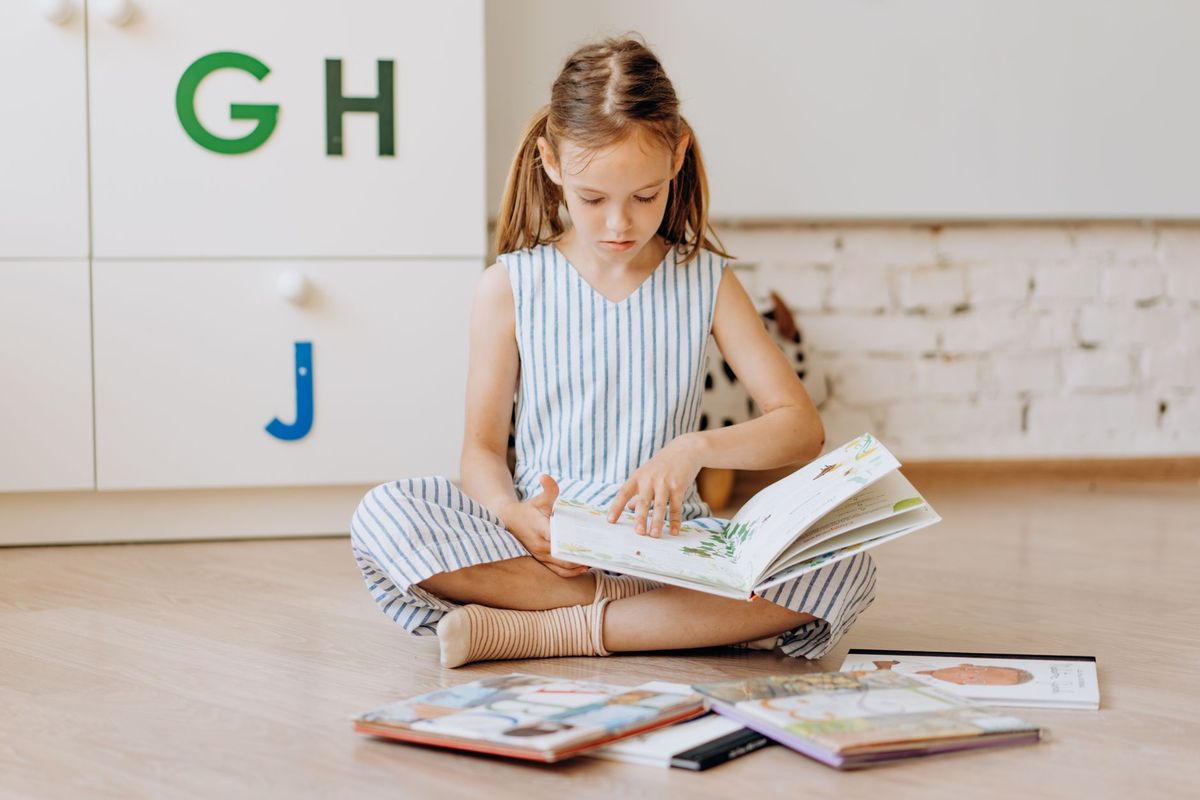
Sometimes the nook is just a clear floor and a rug. Children spread books around them, compare and go back. That’s fine. Tidy up together at the end.
9. A Toddler Corner Next to the Family Sofa
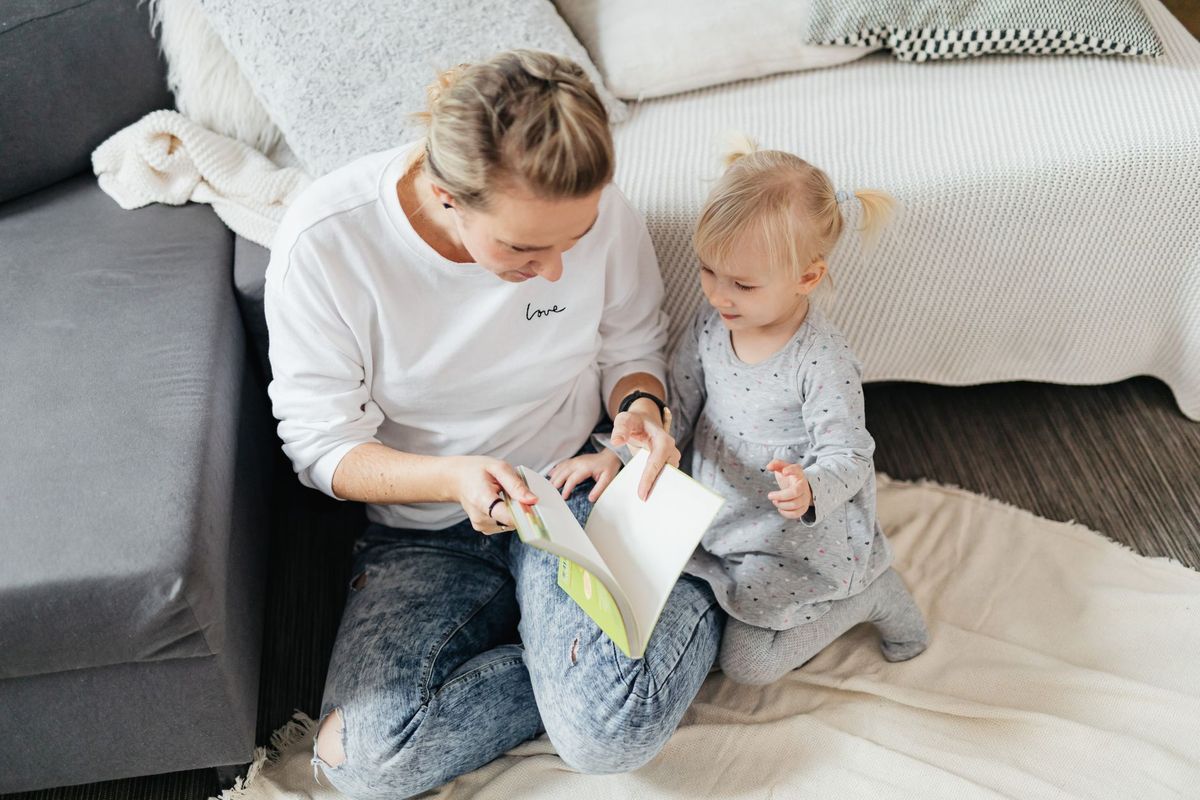
For toddlers, the best reading spot is often next to where you sit. A small basket of board books by the sofa makes reading together easy to start.
10. A Reading Tent Outdoors
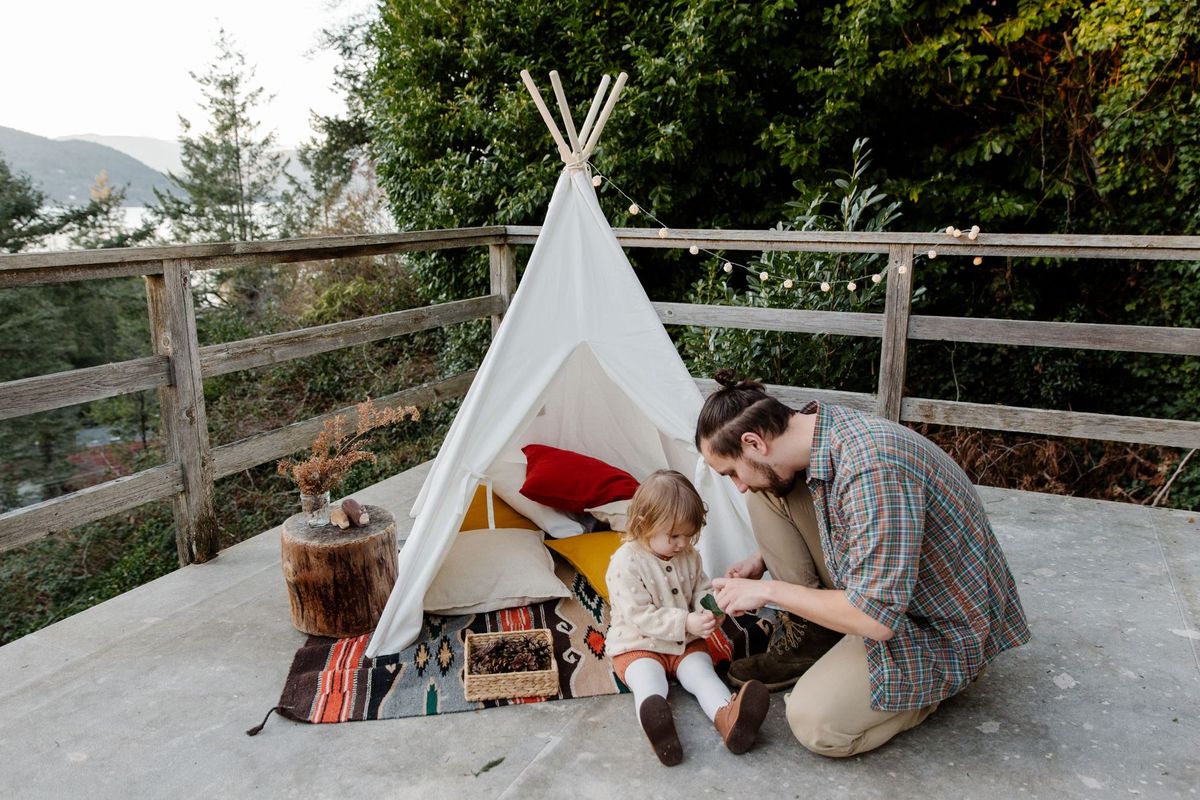
On a balcony, porch or in the yard, a tent with a rug and a basket of books makes reading feel like an outing. Bring the books in at night.
11. A Low Chair for the Youngest Readers
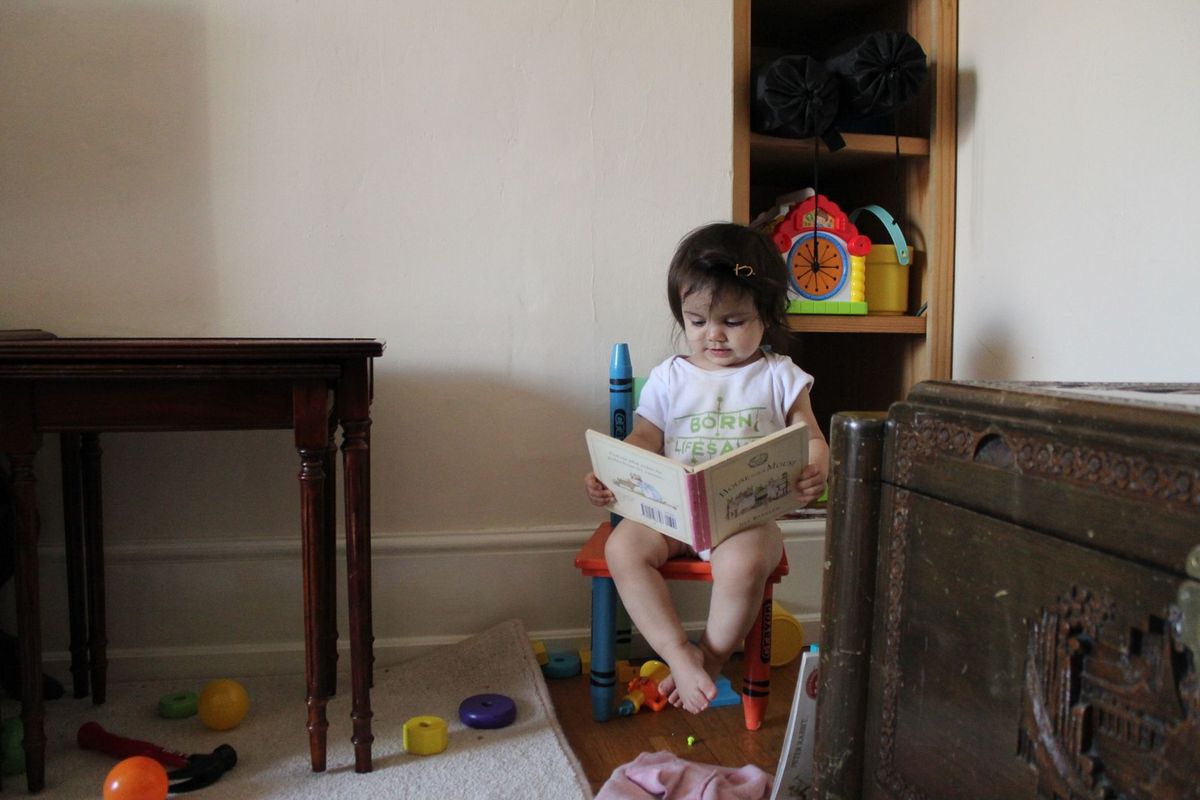
A toddler who has just learned to sit on a chair alone will often want to read there. A low, stable chair with feet flat on the floor is the goal.
12. A Freestanding Book Display
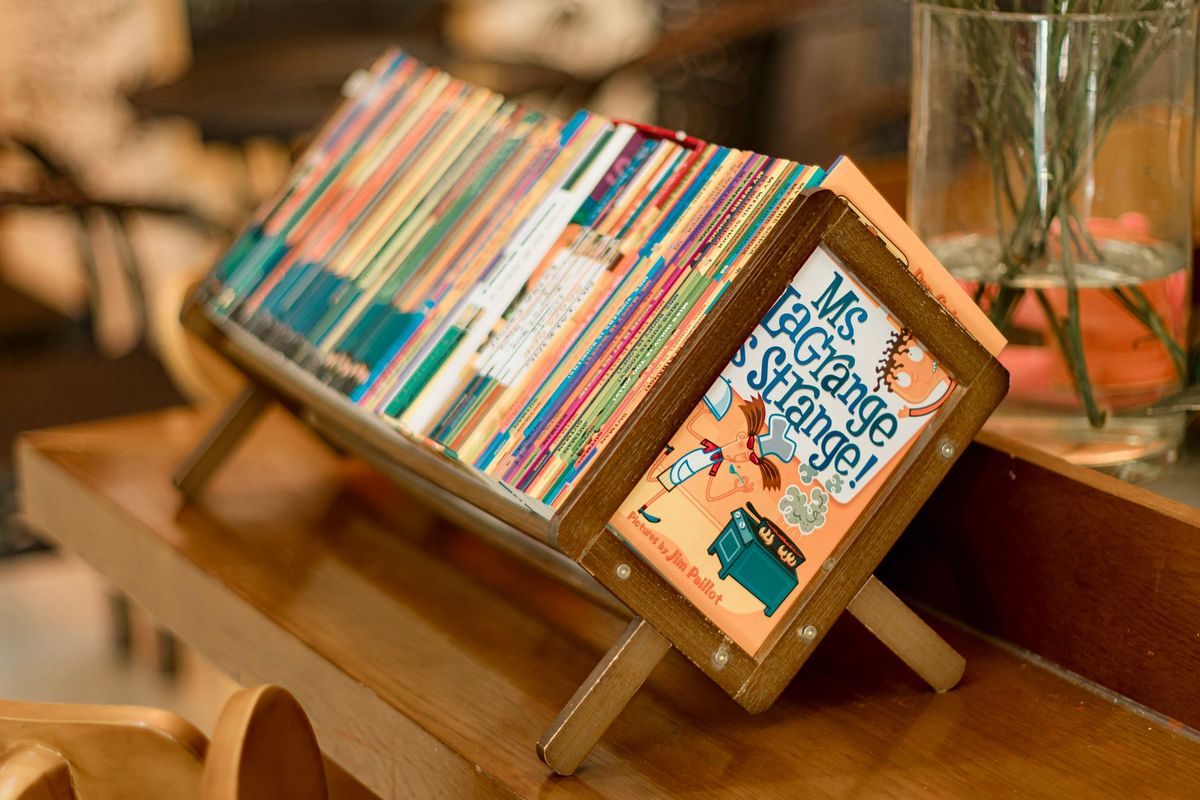
A small display rack on the floor or a low table shows a few covers at a time and moves easily from room to room. The IKEA FLISAT book display is $29.99.
13. A Browsing Bin
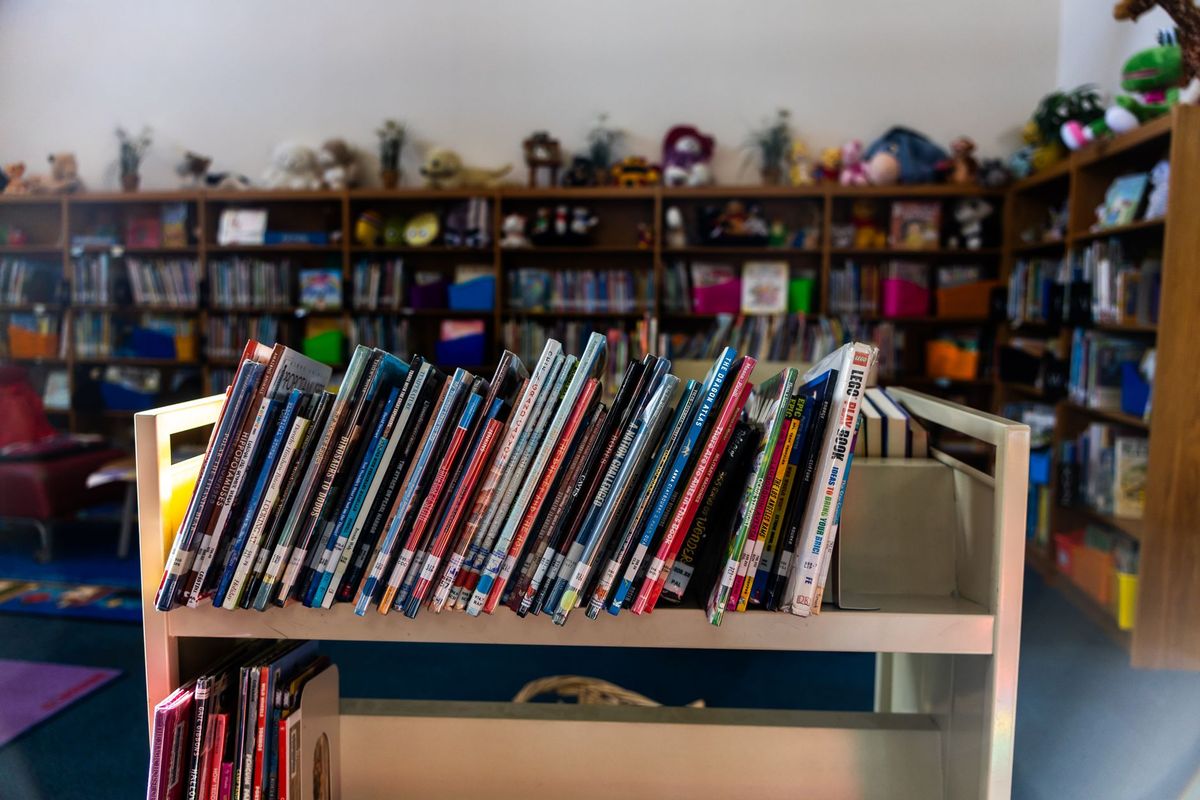
Libraries use browsing bins because children flip through books standing up. A low crate with books standing on their spines works the same way for preschoolers.
14. A Reading Spot on the Bed
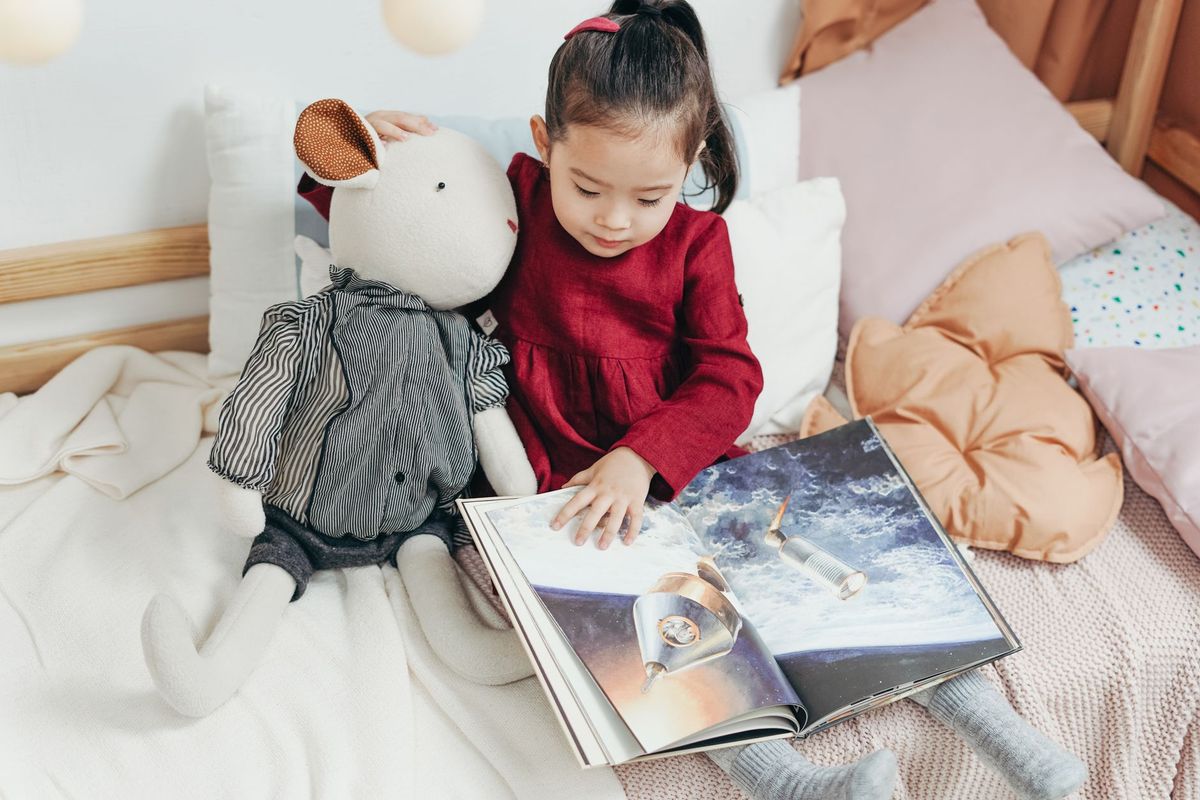
A shelf of three or four books next to the bed makes a bedtime reading spot. With a floor bed, mount the shelf low and keep the area calm. See our floor bed guide for bedroom safety.
15. A Spice Rack Book Wall
A classic budget idea. Simple spice racks, like the IKEA BEKVÄM ($11.99), hold board books and picture books face out. Mount them low, screwed into studs or with the right anchors.
16. A Closet Turned Into a Nook
Take the doors off a small closet, add a cushion, a wall ledge and a light, and you have a hideaway. Check that there are no hanging rods or hooks at your child’s head height.
17. Under the Stairs or Under a Loft Bed
Low, sheltered spaces feel cozy to children. Add a rug, cushions and a battery light with a secured compartment.
18. A Canopy Over a Corner
A fabric canopy hung from the ceiling defines a corner without walls. Fix it securely to the ceiling, and keep the fabric well clear of lamps.
19. A Seasonal Book Basket
Keep one basket for the season, autumn leaves, snow, the beach, a new baby in the family. Changing it makes children notice the reading spot again.
How to Set up a Reading Nook in an Afternoon
- Pick the spot. A corner away from the busiest path, near natural light if possible.
- Mount front-facing storage at eye level. A picture ledge, a wall rack or a book display.
- Add something soft. A floor cushion, a beanbag or a small armchair.
- Add light. Daylight, plus a lamp or a battery light for evenings.
- Choose 5 to 10 books. Store the rest and rotate.
- Show your child. How to take a book, look at it carefully and put it back facing out.
Common Mistakes
- Too many books out. A full shelf of spines is hard for a young child to use.
- Books too high. If your child needs to ask, the corner isn’t theirs yet.
- Toys in the reading corner. Keep it for books, so it stays calm.
- Unsecured furniture. Anchor any shelf to the wall (CPSC Anchor It).
For bookshelves and storage, see our Montessori bookcases guide and this DIY bookshelf. For the rest of the room, see Montessori playroom ideas.
Questions Parents Ask
How Many Books Should Be in a Montessori Reading Corner?
About 5 to 10 at a time for toddlers and preschoolers, facing forward, with the rest stored and rotated.
What Age Is a Reading Nook For?
From the time your child can sit and hold a board book, often around 9 to 12 months, to early school years. Adjust the height and the books as your child grows.
What Books Suit a Montessori Reading Corner?
Realistic stories and books with real photographs for young children, then more varied stories, poems and simple non-fiction as they grow.
How Do I Make a Reading Corner in a Small Room?
Use the wall. A picture ledge and a floor cushion take almost no floor space.
Free Toddler Printables
Our book The Everyday Montessori Toddler (18 months to 3 years) comes with free printables, including 24 activity cards. Download them here.
Sources
- Montessori, M. The Absorbent Mind (1949), on language and the prepared environment.
- U.S. Consumer Product Safety Commission, Anchor It, furniture tip-over prevention.
- Photos from Pexels (free licence).