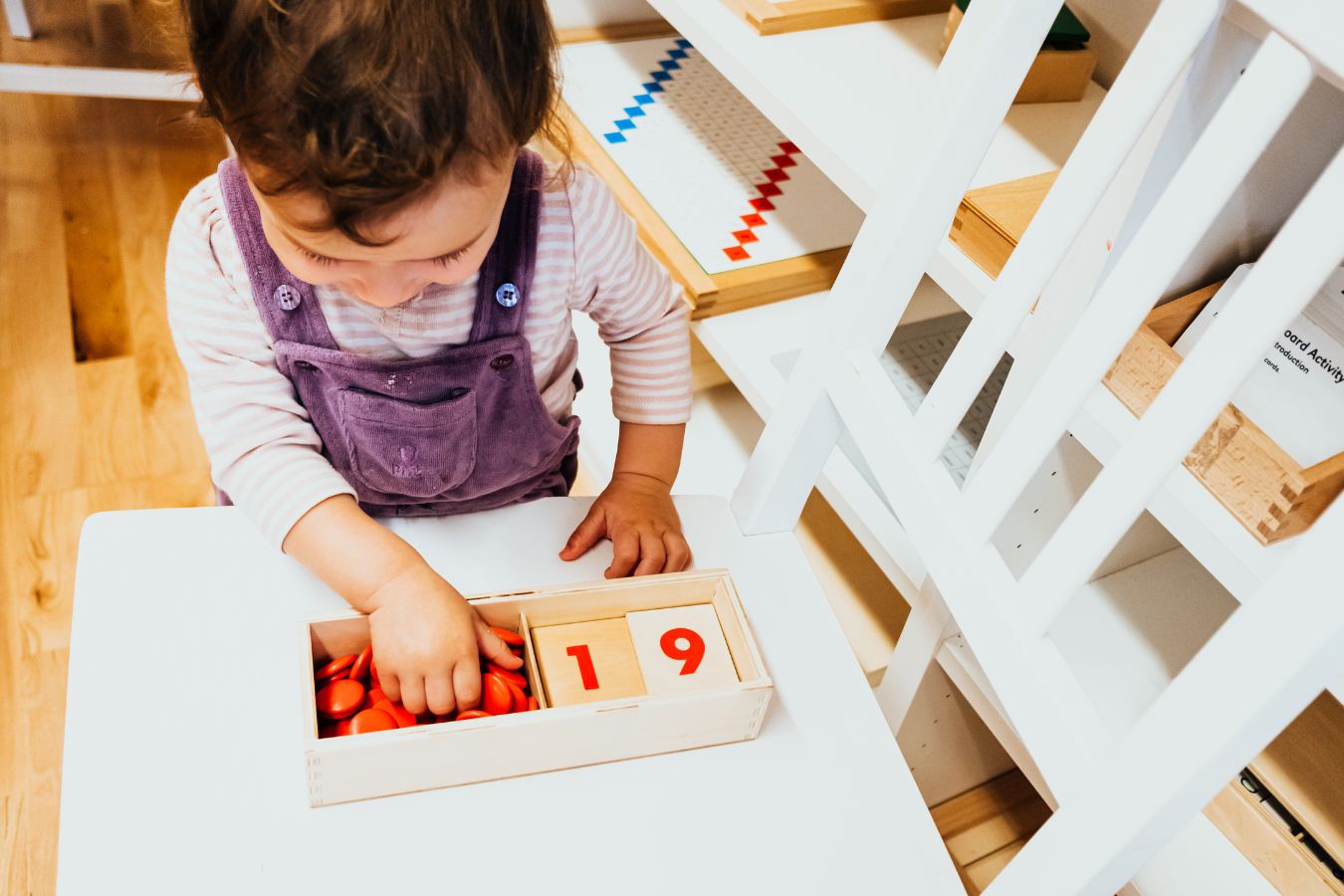


The debate over breastfeeding past a child’s first birthday is a battleground where modern parenting philosophies clash with traditional beliefs, and nowhere is this more evident than within the Montessori community. Here, the discussion transcends mere nutritional concerns, touching the core of Montessori principles on fostering independence and respect in children. This article delves into the heart of the controversy, exploring the Montessori stance on breastfeeding and weaning with a critical eye, challenging norms, and seeking a path that respects both child development and scientific evidence.
Independence vs. Attachment: The Montessori Paradox?
The Montessori philosophy, founded by Dr. Maria Montessori, emphasizes fostering independence from an early age. However, the practice of extended breastfeeding seems to present a paradox. On one hand, it’s argued that continuing to breastfeed past the first year might delay a child’s journey towards self-sufficiency.
On the other, proponents argue that breastfeeding is the child’s first assertion of independence, allowing them to control their intake based on hunger and need, thus laying the groundwork for a secure and autonomous individual. This dichotomy raises the question: can the principles of independence and the deep emotional connection fostered by breastfeeding coexist harmoniously within the Montessori method?
The Great Breastfeeding Debate
Breastfeeding transcends its nutritional benefits, weaving a complex emotional bond between mother and child. This bond is acknowledged within the Montessori method as a foundational aspect of a child’s emotional and psychological development. However, the debate intensifies when considering the duration of breastfeeding. Critics within the Montessori community suggest that prolonged breastfeeding might impede a child’s push towards independence.
Yet, this view overlooks the profound sense of security and attachment breastfeeding fosters, which, according to attachment theory, is crucial for the development of independent, confident individuals. This juxtaposition challenges us to reconsider the balance between fostering independence and nurturing emotional bonds.
Weaning: A Montessori Milestone or a Parental Dilemma?
The transition from breastfeeding to solid foods is often fraught with uncertainty and guilt for many parents, further complicated by the Montessori emphasis on early self-feeding. The method suggests that children are ready to start this transition around six months, with a view towards complete weaning around the first year.

This guidance, however, can place undue pressure on parents and children alike, potentially rushing the weaning process before either is truly ready. Such a prescriptive approach seems at odds with the Montessori advocacy for following the child’s lead, highlighting a tension between the method’s ideals and its application in the context of breastfeeding and weaning.
Respecting Individual Timelines in the Quest for Independence
While the Montessori method values the uniqueness of each child’s developmental journey, the discourse around breastfeeding and weaning often leans towards a one-size-fits-all narrative. This narrative risks overlooking the World Health Organization’s recommendations for continued breastfeeding alongside solid foods until at least two years of age, based on its ongoing health benefits.
The insistence on early weaning in the name of independence may inadvertently disregard the diverse needs and readiness of children and their families, raising questions about the flexibility of Montessori principles in accommodating the spectrum of normal child development.
Montessori in the Light of Modern Research
As scientific research sheds new light on the benefits of extended breastfeeding, the Montessori community stands at a crossroads. Can the cherished principles of Montessori education evolve to incorporate these findings without diluting its core values? The challenge lies in striking a balance between adhering to Montessori’s foundational beliefs and adapting to the dynamic landscape of child development research. This evolution requires a willingness to question, adapt, and perhaps redefine what independence means in the context of the parent-child relationship, especially during the early, formative years.
Navigating the Controversy with Open Minds and Hearts
The Montessori perspective on breastfeeding and weaning encapsulates broader debates that shape contemporary parenting philosophies. As we wade through these contentious waters, it’s vital to prioritize the child’s well-being and holistic development above strict adherence to any single doctrine. By critically engaging with Montessori principles, current research, and the diverse experiences of families, we can forge a path that supports each child’s journey towards independence in a way that is respectful, informed, and genuinely tailored to their individual needs and circumstances.