

Most potty training books are written for the method they are selling, three days, a bootcamp weekend, a rewards chart printed on the last page. Very few are written for parents who want to follow the child rather than a schedule.
These three do that well. Each takes a genuinely child-led, low-pressure approach that fits Montessori principles, even when the book itself does not use the word “Montessori” on the cover.
How These Were Picked
Every book here avoids reward charts, avoids fixed-day timelines, and treats toilet learning as something the child does rather than something done to them. That is the actual Montessori test, regardless of what the cover says.

Most explicitly Montessori
Toilet Awareness
Sarah Moudry
The only book on this list that names Montessori philosophy directly in its subtitle. Short, practical, and built entirely around the natural development of the child rather than a fixed method or timeline. Covers when to start, how to set up the bathroom, and a clear step-by-step roadmap without a single reward chart in sight. If you want one book that speaks the same language as this website, this is it.
Best for a wide age range
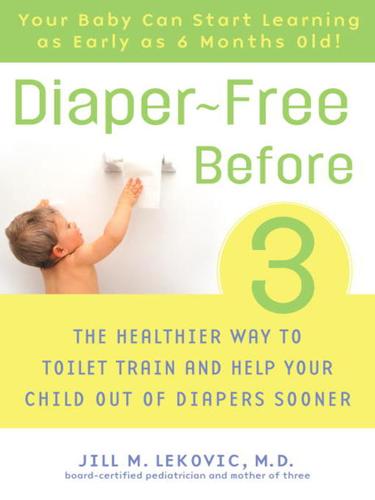
Diaper Free Before 3
Jill M. Lekovic
Written by a pediatrician, and used as a go-to resource by real Montessori toddler classrooms, not just parenting bloggers. Covers everything from an early, relaxed start around 9 months through a delayed start closer to age 3, which makes it useful whenever you happen to pick it up rather than only in a narrow window. The relaxed, low-pressure environment it recommends and the emphasis on letting the child take control both line up directly with Montessori principles.
Most detailed troubleshooting
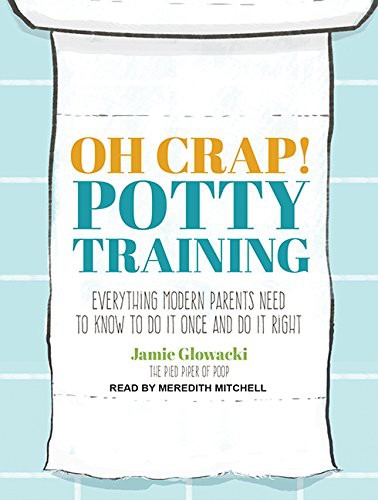
Oh Crap! Potty Training
Jamie Glowacki
Not marketed as a Montessori book, and worth including anyway because it is one of the most practical, honest guides available, and its actual philosophy overlaps with Montessori more than the branding suggests. No shaming, no bribery-based charts, and an entire section dedicated to working through resistance and regression rather than pretending every child sails through in three days. If you want the most detailed troubleshooting for a child who is genuinely struggling, this is the strongest resource on the list.
Best for babies under 12 months
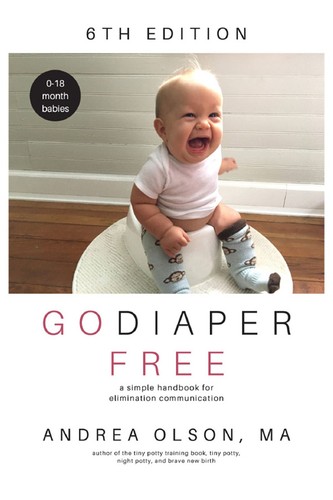
Go Diaper Free
Andrea Olson
A different category entirely: elimination communication, reading an infant’s elimination cues from birth rather than waiting for toddler readiness signs. Not for every family, and not a requirement for the Montessori approach described elsewhere on this site, but a genuinely well-documented option if you want to start observing your baby’s signals from the first months rather than at 18 months plus.
Best if you only want one Montessori book, period
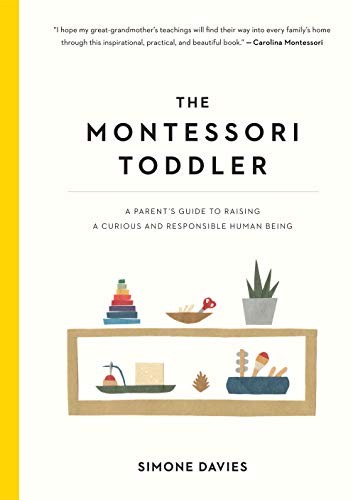
The Montessori Toddler
Simone Davies
Not a dedicated potty training book, and included anyway because it is the single most useful general Montessori toddler resource available, with a full chapter on toilet learning alongside everything else: routines, tantrums, siblings, daily life. If you want one book on your shelf for the whole toddler stage rather than a narrow one just for the bathroom, this is it.
Which One Should You Actually Buy?
Honest Note
You do not need all three. Most parents get everything they need from one book plus a well-prepared bathroom. If you read only one, make it whichever matches the situation in the table above rather than the one with the most Montessori branding on the cover.
Want The Full Readiness Signs, Environment Setup, And Step-By-Step Transition, Free?
Frequently Asked Questions
Do I need a book that says “Montessori” on the cover?+
No. What matters is whether the book avoids reward charts, avoids a fixed-day method, and treats the child as the one leading the pace. Some genuinely helpful books, like Oh Crap! Potty Training, do not use the word Montessori at all but line up closely with the philosophy in practice.
Are these books for parents, or for the child to read?+
All three books on this list are written for the parent, not the child. They explain the reasoning, the setup, and how to respond to accidents and resistance. If you also want a simple picture book for your child to look at during the process, that is a separate category and worth choosing based on your child’s specific interests rather than a general recommendation.
When should I actually read one of these, before or during?+
Before, ideally a few weeks before you plan to start, so the environment is already prepared when readiness signs appear. Reading mid-process works too, particularly if you are stuck on resistance or accidents and need the troubleshooting sections, but you get the most value from setting up correctly from day one rather than adjusting after the fact.
A Book Is a Starting Point, Not the Whole Answer
None of these books will do the work for you, and none of them will make your specific child ready before their body and brain are actually there. What they give you is language, structure, and the confidence to stay calm when things do not go according to a schedule, which, in toilet learning, they rarely do.